How a General Dentist in Aurora Makes Dental Care More Convenient for Families
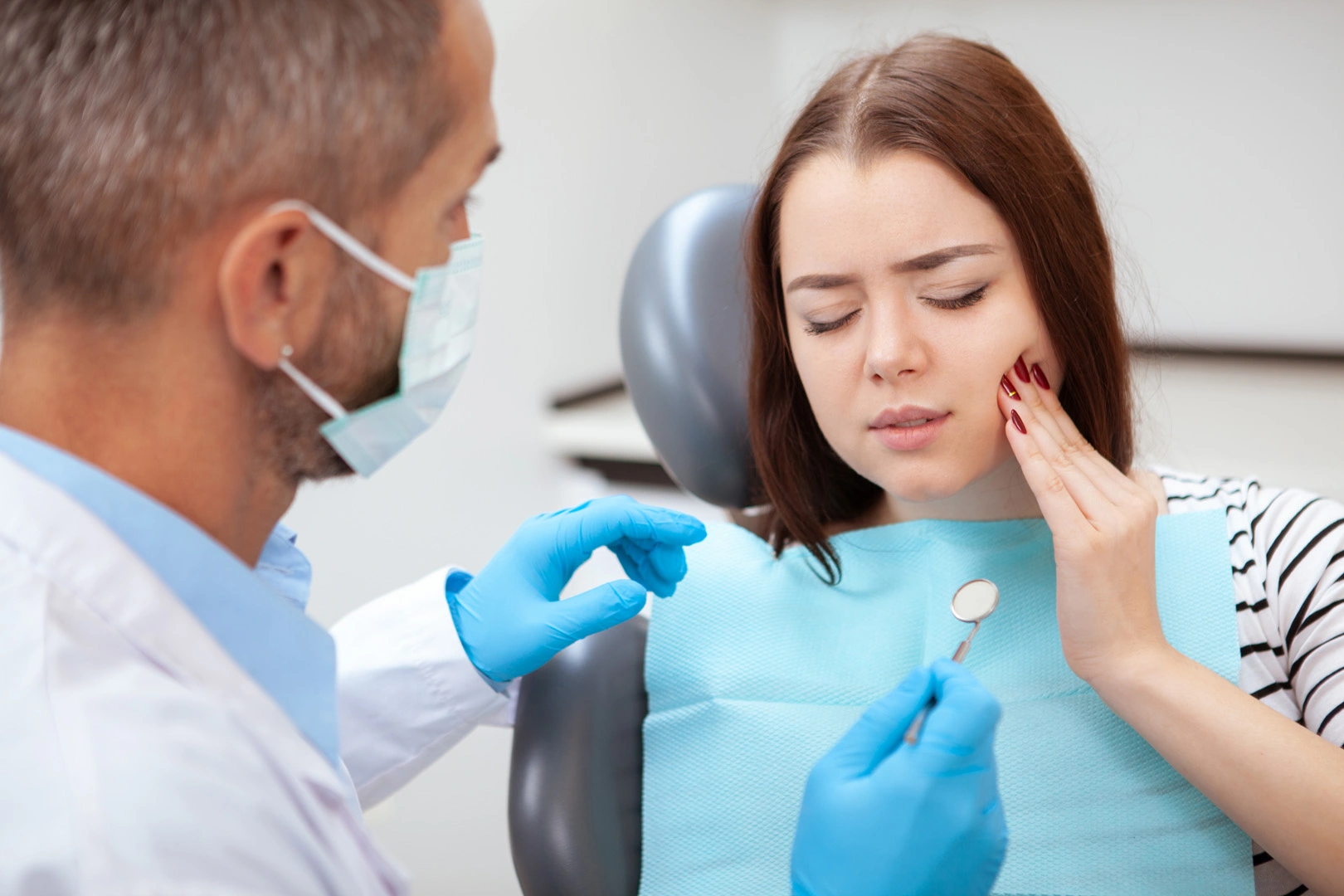
For many families, dental care is not difficult because they do not value it. It becomes difficult because life is crowded. School drop-offs start early, workdays stretch longer than expected, and after-school activities fill the late afternoon. Add a toddler who resists every appointment, a teenager with a packed sports schedule, and a parent who keeps postponing a crown because there is never a good time, and even routine checkups can feel like a logistical puzzle.
That is where a well-run family dental practice makes a real difference. Convenience in dentistry is often misunderstood as a marketing perk, something limited to online scheduling or a friendly waiting room. In practice, it goes much deeper. A general dentist who understands how families actually move through the week can remove barriers that keep people from getting care on time. Better systems, flexible treatment planning, and a broad range of services under one roof often matter just as much as clinical skill.
A thoughtful General Dentist Aurora families trust is not simply cleaning teeth and filling cavities. That dentist is helping parents coordinate care for multiple people, reducing unnecessary referrals, and creating an environment where children, teens, adults, and older relatives can all be seen with less friction. When that happens, dental care stops feeling like another errand to survive and starts becoming part of a manageable routine.
Convenience starts with one office for different stages of life
One of the biggest advantages of general dentistry for families is continuity. A general dentist can often care for a child getting their first cleaning, a parent needing a night guard, and a grandparent replacing a worn filling, all in the same practice. That broad scope matters more than people sometimes realize.
If every family member has to visit a different provider for standard care, the burden multiplies fast. Parents have to keep track of separate records, separate policies, separate office hours, and separate treatment recommendations. Even a small amount of confusion can lead to delays. A child misses a recall visit. A spouse forgets to reschedule a chipped tooth. An older adult puts off treatment because the new office feels unfamiliar.
By contrast, when one practice can handle preventive visits, exams, digital X-rays, fillings, crowns, periodontal monitoring, and common restorative needs, the process becomes simpler. There is less repetition, fewer intake forms, and more consistency in how treatment is explained. Over time, that consistency builds trust. Families know what to expect, and that predictability is a form of convenience in its own right.
In day-to-day practice, this often looks very practical. A parent may bring two children in for hygiene appointments while also asking the dentist to check a sore molar of their own. A college student home for break might be able to schedule overdue treatment in the same office where they were seen as a child. Those small efficiencies save hours across a year.
Scheduling that respects the way families actually live
The most clinically excellent practice in town still creates friction if it only offers appointments that conflict with work and school. Families notice quickly whether an office understands their reality.
Convenient scheduling usually means more than offering one late evening per month. It means building the calendar around common family pressures. Before-school hygiene appointments can help older students avoid missing class. Blocks reserved for siblings reduce the need for multiple trips. Room in the General Dentist Aurora schedule for urgent visits matters too, especially for families with active children who seem to chip teeth at the least convenient times.
Parents often judge a dental office by what happens after an unexpected problem, not just during a routine checkup. A child wakes up with facial swelling. A parent breaks a filling before a work presentation. A teen’s orthodontic retainer no longer fits because wisdom teeth are starting to crowd the back of the mouth. If the office can offer same-day guidance, evaluate the situation promptly, and explain next steps clearly, that family is far more likely to stay current with care in the future.
A capable General Dentist Aurora residents rely on will usually think in terms of access, not only treatment. That may include digital forms completed ahead of time, reminder systems that reduce no-shows, and enough administrative coordination to keep appointments from feeling chaotic. None of these details are glamorous, but they matter. Families do not just remember whether the filling was done well. They remember whether the entire visit was manageable.
Preventive care becomes easier when it is built into family routines
Most dental problems that become expensive or disruptive do not start that way. They begin quietly. A small cavity between two back teeth causes no pain at first. Inflamed gums bleed a little during brushing, then a little more. A child breathes through the mouth at night, develops dry mouth, and becomes more cavity-prone over time. Families benefit when a dentist catches these changes early, but early detection only works if people come in regularly.
Convenience plays a direct role in prevention. When appointments are easy to keep, small issues stay small. That sounds obvious, yet it is one of the strongest arguments for choosing a general dentist with family-centered systems.
I have seen this pattern repeatedly in dental practices. The family that can get everyone in over a school break tends to stay on schedule. The family that has to spread visits over five separate mornings often falls behind. Once someone misses one recall, six months can quickly become fourteen. By then, what would have been a quick filling may require a crown, or a routine cleaning may need a deeper periodontal evaluation.
A family-focused general dentist helps prevent that slide by reducing the effort it takes to maintain care. Sometimes it is as simple as pre-booking the next round of visits before the family leaves. Sometimes it means aligning hygiene appointments for siblings every six months, even if one child needs a little more cleaning time. The point is not rigid efficiency. The point is making follow-through easier.
Children do better when the office is familiar
Pediatric comfort is often discussed in soft terms, but it has very practical consequences. Children who feel secure in a dental setting are easier to examine, easier to educate, and more likely to grow into adults who seek care before they are in pain.
A general dentist serving families in Aurora may not market the office as a pediatric practice, yet that can still be a major advantage for many children. Seeing a dentist in the same environment as parents and siblings often normalizes the experience. Young children watch older family members sit calmly in the chair, and that modeling matters. The visit feels like part of family life rather than a strange medical event.
This is especially helpful for children who are not fearful but are highly observant. They respond to routine. They want to know who will greet them, where they will sit, and what the cleaning paste tastes like. Familiar faces reduce tension. So does an office team that knows how to pace the visit, keep explanations age-appropriate, and avoid turning every appointment into a negotiation.
That said, convenience should never come at the expense of judgment. Some children need a pediatric specialist, particularly if they have extensive treatment needs, significant anxiety, or developmental considerations that call for a different environment. A strong general dentist knows those limits and refers appropriately. Families are usually best served when routine care happens locally and comfortably, while more complex cases are sent out without delay.
Fewer referrals often means fewer headaches
Referrals are sometimes necessary and absolutely appropriate. A root canal by an endodontist, wisdom teeth extraction by an oral surgeon, or complex orthodontic planning all have their place. The problem for families is not the referral itself. It is the accumulation of referrals for services that could reasonably have been handled in one office.
Every additional handoff introduces friction. Another phone call. Another insurance question. Another commute across town. Another round of medical history. These steps may seem minor individually, but together they increase the chance that treatment gets postponed.
When a general dentist provides a broad range of services, families save time in ways that are easy to underestimate. If a broken cusp can be restored with a same-week crown appointment, that may prevent weeks of chewing discomfort. If a protective night guard can be fabricated through the same office after the dentist notices wear patterns during a checkup, the patient avoids a separate consultation elsewhere. If the practice monitors gum health carefully and offers non-surgical periodontal therapy when needed, a patient may get timely intervention before the condition worsens.
This is one reason the phrase General Dentist Aurora can matter in a local search. Families are often looking not for the most narrowly specialized provider, but for the professional who can handle most of what they need in one place, while still recognizing when specialist care is the better path.
Technology helps, but only when it solves ordinary problems
Dental technology is useful when it shortens visits, improves accuracy, or makes communication clearer. It is not useful simply because it sounds modern.
Digital X-rays are a good example of technology that quietly improves convenience. Images appear quickly, can be enlarged chairside, and help dentists show parents exactly why a tooth needs monitoring or treatment. Intraoral cameras can do the same. A patient who sees a cracked filling on screen understands the recommendation more easily than one who only hears a technical description.
Digital records and streamlined communication also matter for busy households. Text reminders reduce missed appointments. Electronic forms save clipboard time in the waiting room. Coordinated records help when multiple family members are seen on the same day. None of this replaces clinical judgment, but it reduces the small irritations that add up over the course of a year.
Some offices also use tools that support same-day or faster-turnaround restorative care. That can be genuinely convenient for certain cases, especially for working adults who do not want temporary restorations and repeat visits when a permanent solution can be planned efficiently. Still, the trade-off should be explained honestly. Not every tooth, bite pattern, or restorative situation is ideal for the fastest option. A good general dentist explains what is best for the tooth, not just what is fastest on the schedule.
Communication is part of convenience
Families do not only need treatment. They need clear guidance. Ambiguity creates delays.
When parents leave an appointment unsure whether their child’s crowding is simply being watched or requires an orthodontic consultation, follow-through suffers. When an adult hears they need “some work” but does not understand what is urgent and what can wait a few months, treatment often gets deferred unnecessarily. Good communication prevents that.
The most helpful dental conversations are usually specific and calm. This filling should be repaired soon because it is leaking and could fracture further. That watch area can reasonably wait until the next recall unless symptoms start. Your child’s brushing is improving, but the grooves on these molars are deep enough that sealants would likely reduce risk. Details like these help families plan.
It also helps when financial communication is just as straightforward as clinical communication. Dentistry can be expensive, and convenience includes clarity about cost. Families appreciate when an office can explain insurance estimates, phase treatment sensibly, and discuss priorities without pressure. A parent may not be able to do everything in one quarter, but they can often do the most important thing if it is presented plainly.
One of the most practical habits in family dentistry is separating urgent needs from ideal long-term goals. Both matter, but not equally. If a parent needs to address decay now and cosmetic whitening later, that distinction should be explicit. Good offices make that easy to understand.
The environment matters more than many adults admit
Adults often say they are “fine at the dentist” while still delaying care for years. Usually, what they mean is that they can tolerate the visit once they get there. Tolerating something is not the same as finding it manageable.
A family-friendly dental office lowers the stress level in many small ways. Staff members know patients by name. The handoff from front desk to hygienist is smooth. Wait times are not perfect, because healthcare rarely is, but they are generally respectful. Explanations are not rushed. A parent with a child on one hip does not feel like they are disrupting the flow of the office just by existing.
These details matter for elderly family members as well. An older adult may not say much about mobility challenges, hearing limitations, or medication complexity, but a good general practice notices. They allow more time, confirm health history carefully, and avoid creating unnecessary confusion. Convenience is not only about speed. Sometimes it is about pacing the visit correctly.
What families should look for when choosing a dentist
Convenience is easiest to evaluate before there is an emergency. Families comparing practices should pay attention to how the office functions, not only what it advertises.
Here are a few signs that usually matter:
- The office offers appointment times that fit school and work patterns, not just mid-morning slots.
- The practice can handle a wide range of preventive and restorative care without routine outside referrals.
- Staff explain treatment and fees clearly, with a sense of urgency that matches the actual problem.
- Children and adults are treated with equal patience, not as separate categories with different levels of attention.
- The scheduling team actively helps coordinate family visits when possible.
Those points may sound simple, yet they often separate a merely competent office from one that truly supports family life.
Convenience supports better health, not just better calendars
There is a tendency to talk about convenience as though it is somehow secondary to quality. In dentistry, that is usually the wrong frame. Convenience often supports quality because it improves consistency. A family that can access care easily is more likely to keep recall visits, address minor problems early, and accept recommended treatment before pain forces the issue.
That connection is particularly important in households where one person’s postponement affects everyone else. Parents who put their own care last often end up needing more intensive treatment later. Children notice those habits. So do teenagers, who are quick to decide that if mom or dad skips the dentist, their own appointments cannot be that important. The reverse is also true. When dental visits are routine, coordinated, and low-drama, oral health becomes a normal part of family maintenance.
Aurora families, like families anywhere, need healthcare that fits real life. They need a dentist who can be practical without being impersonal, thorough without being rigid, and efficient without making people feel rushed. The best general practices manage that balance well. They understand that behind every delayed filling or missed cleaning there is usually a human reason, not a lack of responsibility.
A trusted General Dentist Aurora families return to year after year often earns that loyalty by doing ordinary things exceptionally well. Keeping care under one roof where possible. Making room for urgent needs. Explaining treatment in language people can use. Respecting school schedules, work demands, and financial limits. Those choices do more than make the calendar easier. They help families stay healthier with less disruption, which is exactly what convenient care should do.
Aspenwood Dental Associates and Colorado Dental Implant Center
Address: 2900 S Peoria St Ste C, Aurora, CO 80014
Phone number: +13037314037
FAQ About General Dentist Aurora
What is meant by general dentistry?
General dentistry refers to the primary, foundational tier of oral healthcare, focused on the prevention, diagnosis, and treatment of conditions affecting the teeth, gums, and jaw. General dentists serve as a patient's main, long-term dental care provider—much like a primary care physician.
What is general dentistry and orthodontics?
General dentistry and orthodontics are two specialized branches of dental care. General dentistry serves as your primary care for overall oral health, focusing on routine cleanings, fillings, and disease prevention. Orthodontics is a specialized field focused entirely on diagnosing and correcting misaligned teeth and jaw structures using braces or clear aligners.
What are type 3 dental services?
Type 3 dental services typically include major restorative treatments that repair or replace damaged or missing teeth. These services are more complex and costly than preventive or basic dental care. Common examples of type 3 dental services include: Dental crowns.